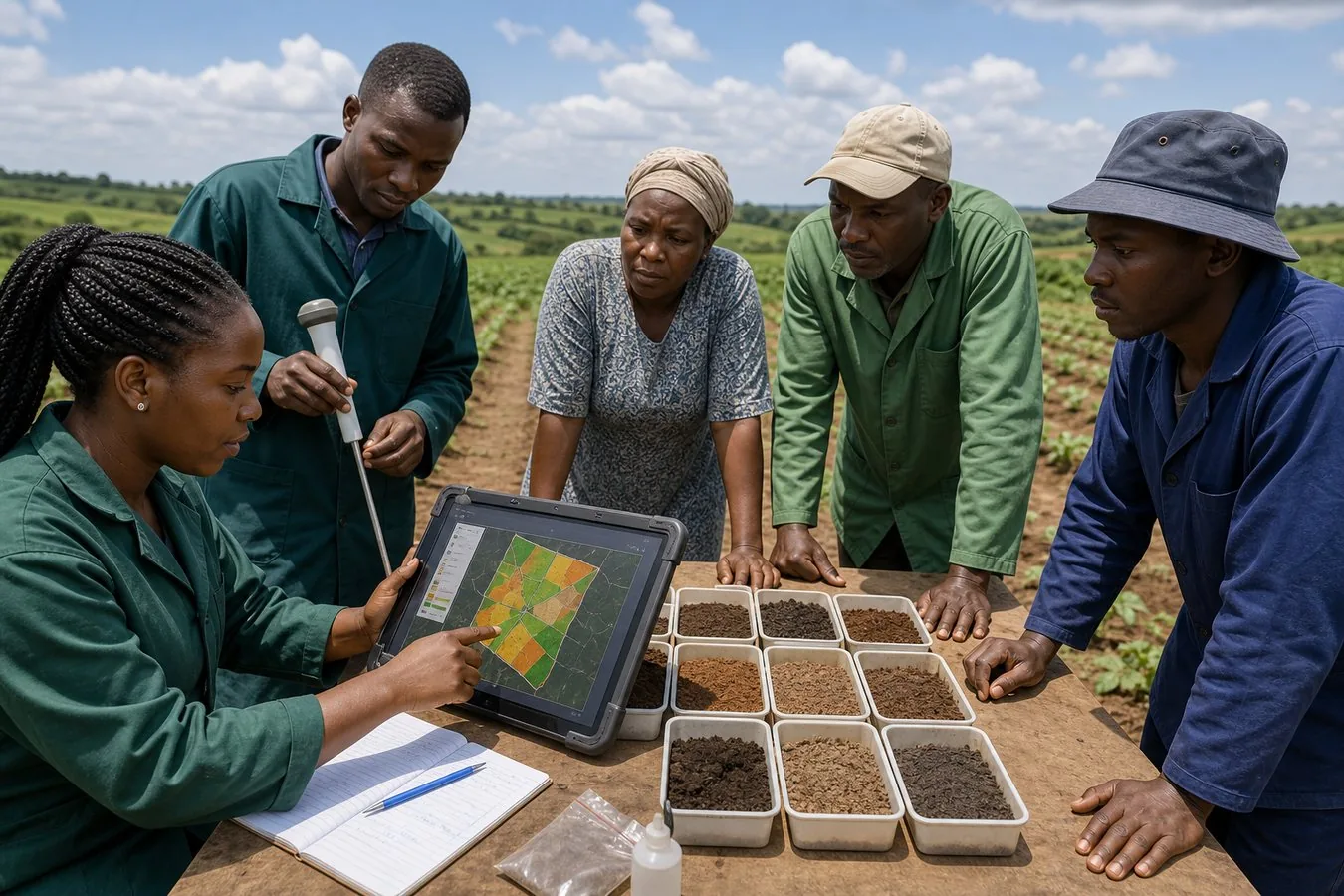
What each model solves
Each project responds to a concrete community need such as food losses, unreliable water, low income, energy cost, waste pollution, or climate stress.
Prototype project models
EarthGuard is an early-stage initiative. These models are being developed for co-design, learning, and partner-supported pilots; they are not presented as completed projects or proven impact.
Project information
Each project responds to a concrete community need such as food losses, unreliable water, low income, energy cost, waste pollution, or climate stress.
Models can be adapted for farms, schools, youth centers, women groups, gender equality programs, water points, training sites, community nurseries, and partner demonstration areas.
Training attendance, inputs, outputs, maintenance needs, lessons, photos, cost assumptions, field data, and outcomes for reporting.
Each project has one accountable hub, a defined delivery team, and its own outcomes. Cross-hub support does not create duplicate projects.
Hub 01
Owns crop-production and farmer-learning projects. Research tools and energy systems may support delivery, but the projects remain managed here.
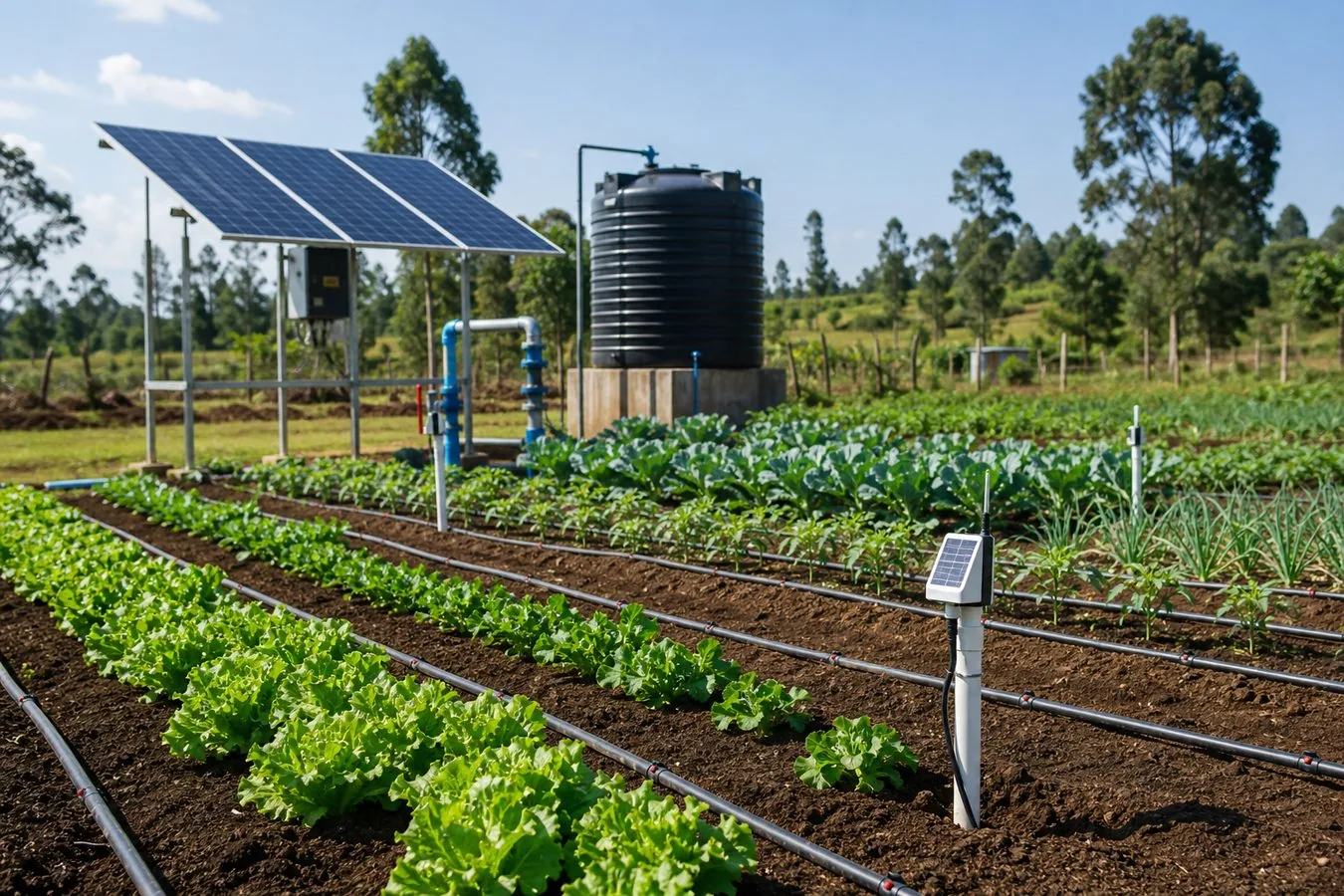
A SmartFarm prototype for smallholder fields that connects soil sensors, NoIR crop images, weather and satellite signals, irrigation and fertigation automation, market intelligence, and digital product passports.
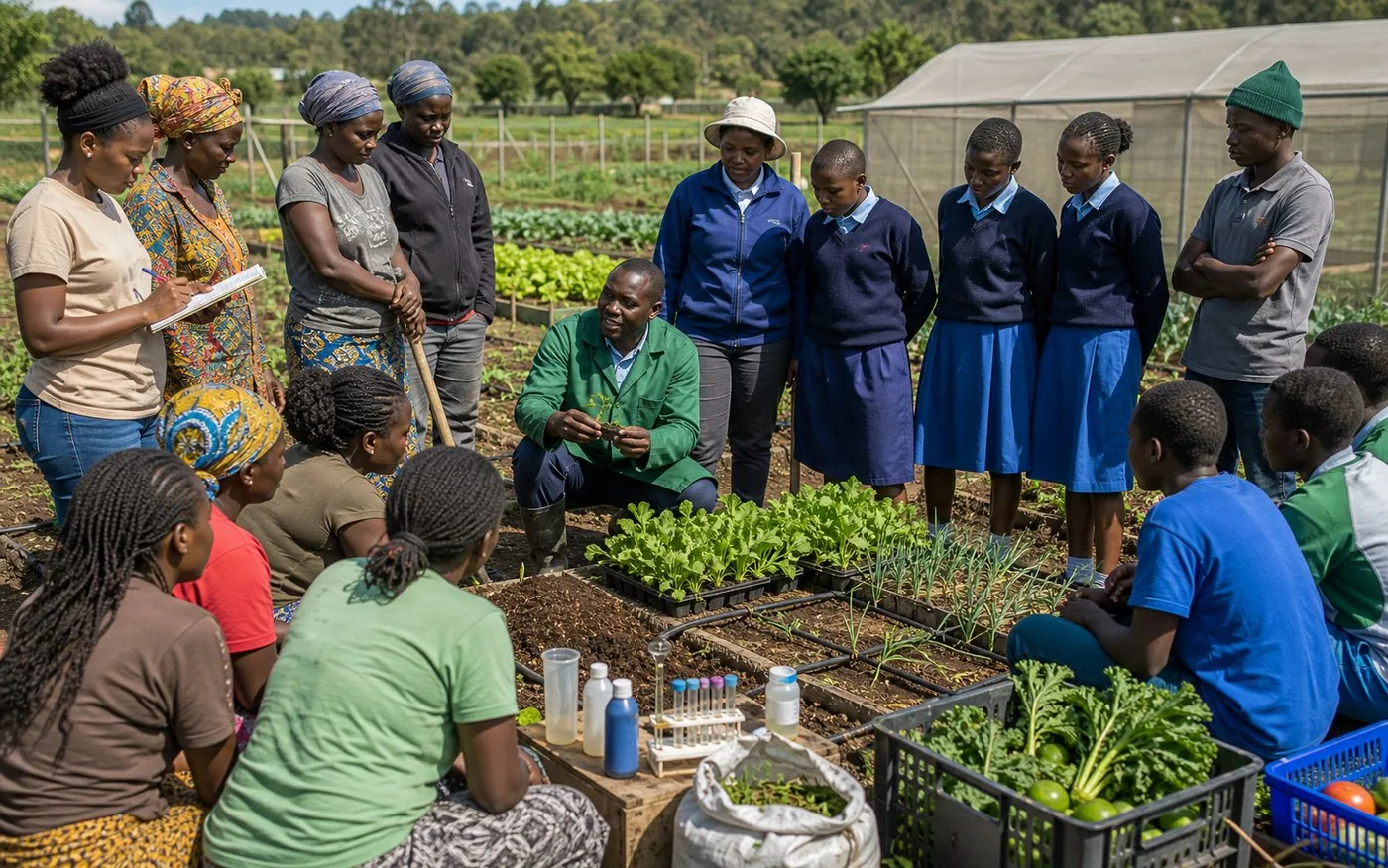
Hands-on learning sites for climate-smart crop production, irrigation, organic practices, seedling production, soil conservation, and post-harvest handling.
Hub 02
Owns physical energy, water, pumping, drying, automation, and maintenance projects for community infrastructure.
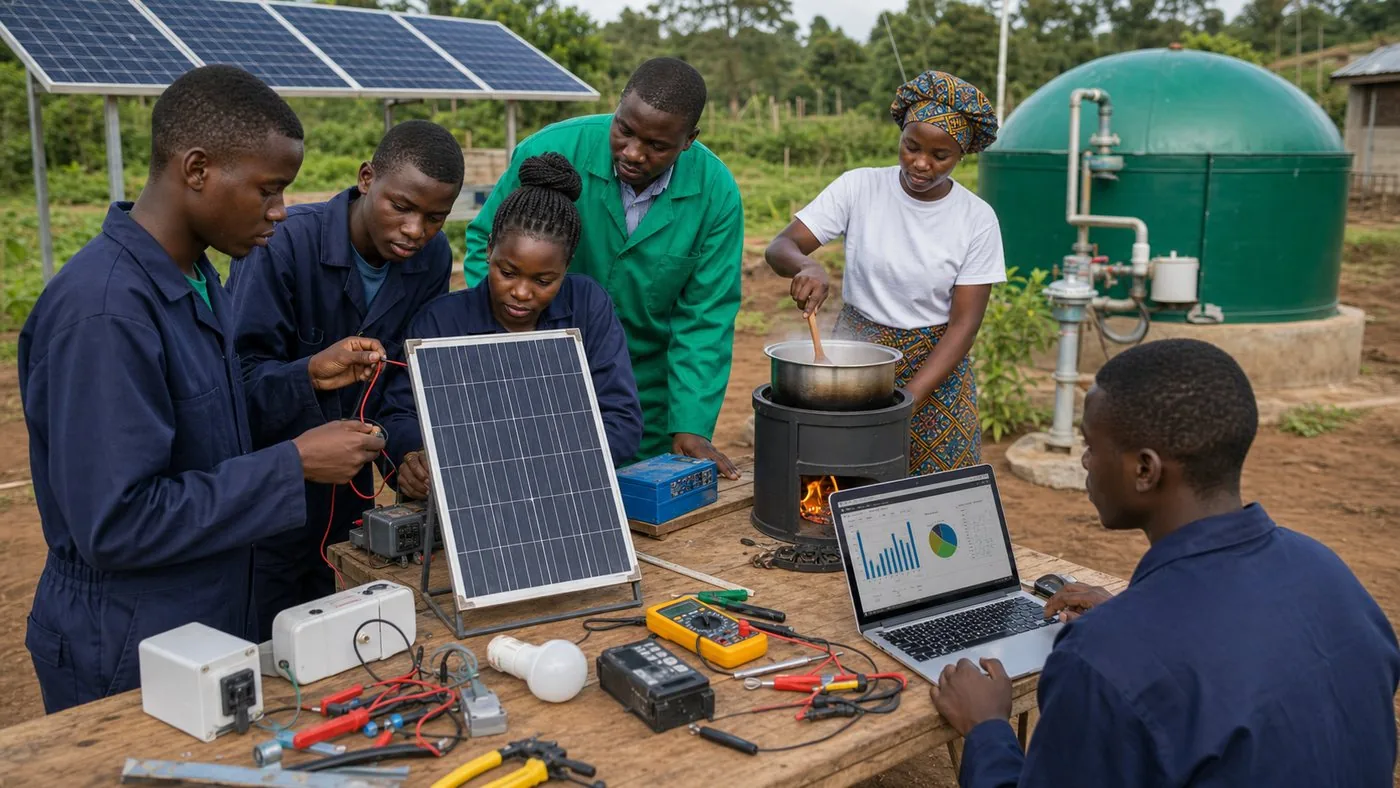
Clean cooking, biogas, solar installation training, maintenance skills, youth entrepreneurship, and energy modeling for right-sized systems.
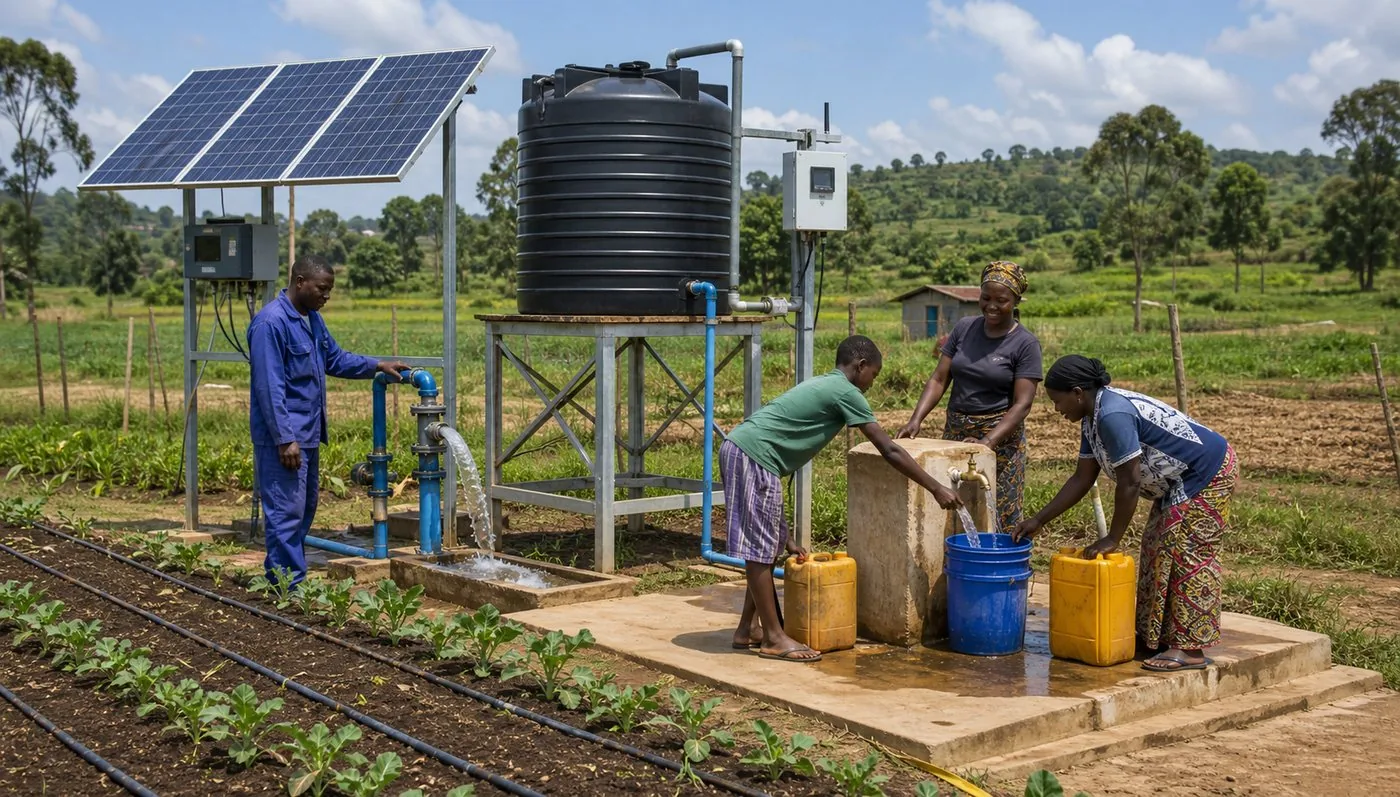
Borehole drilling, solar pumping, automated water controls, rainwater harvesting, storage, drip irrigation, and water conservation projects.
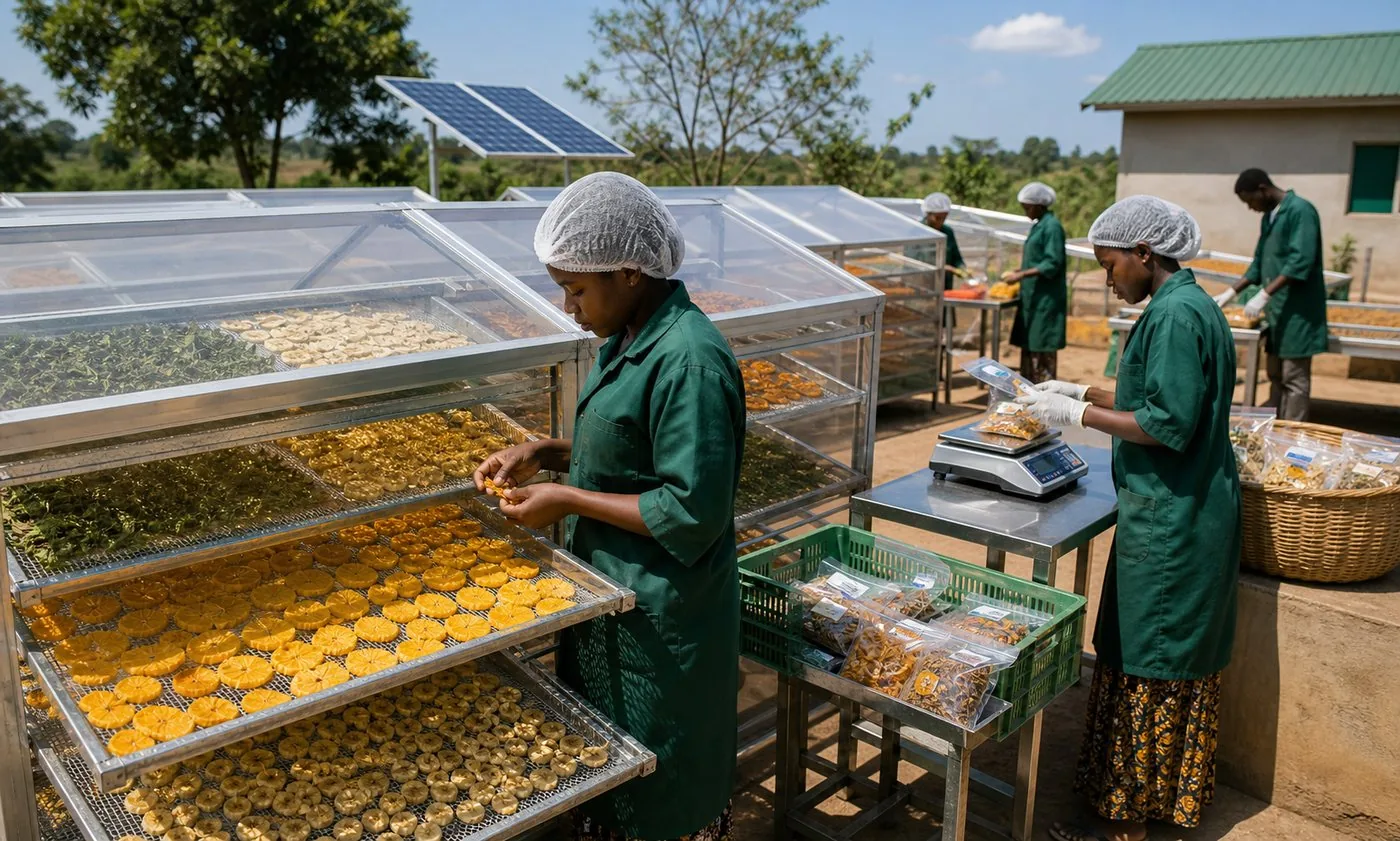
Solar drying systems for maize, fruits, vegetables, herbs, and fish to reduce post-harvest losses and improve market value.
Hub 03
Owns evidence and decision-support projects. Its role is analysis, trials, monitoring, and guidance rather than operating agriculture or infrastructure projects.
Hub 04
Owns environmental restoration, waste recovery, gender equality, enterprise, and inclusive leadership projects.
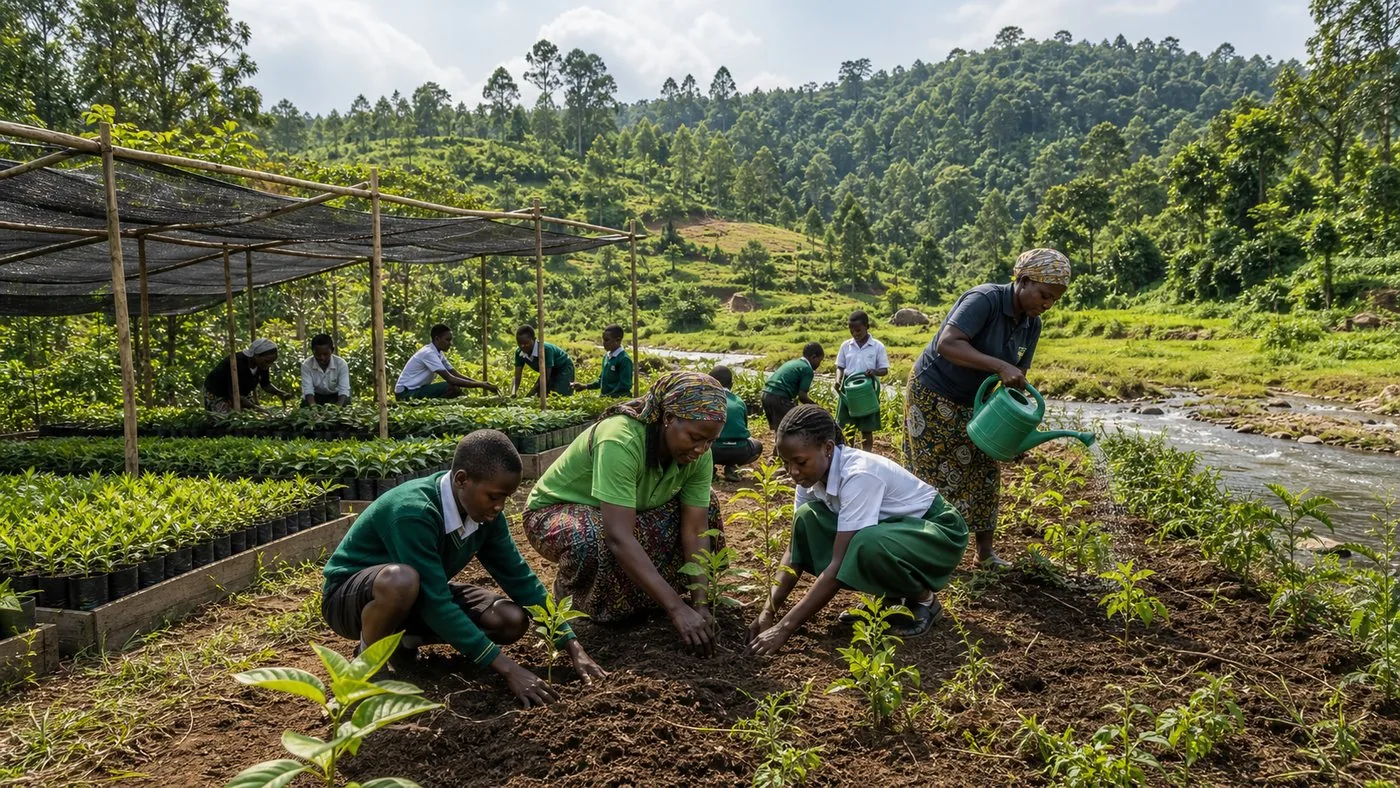
Community nurseries, school environmental clubs, agroforestry, tree planting, water catchment area management, and forest-region protection.
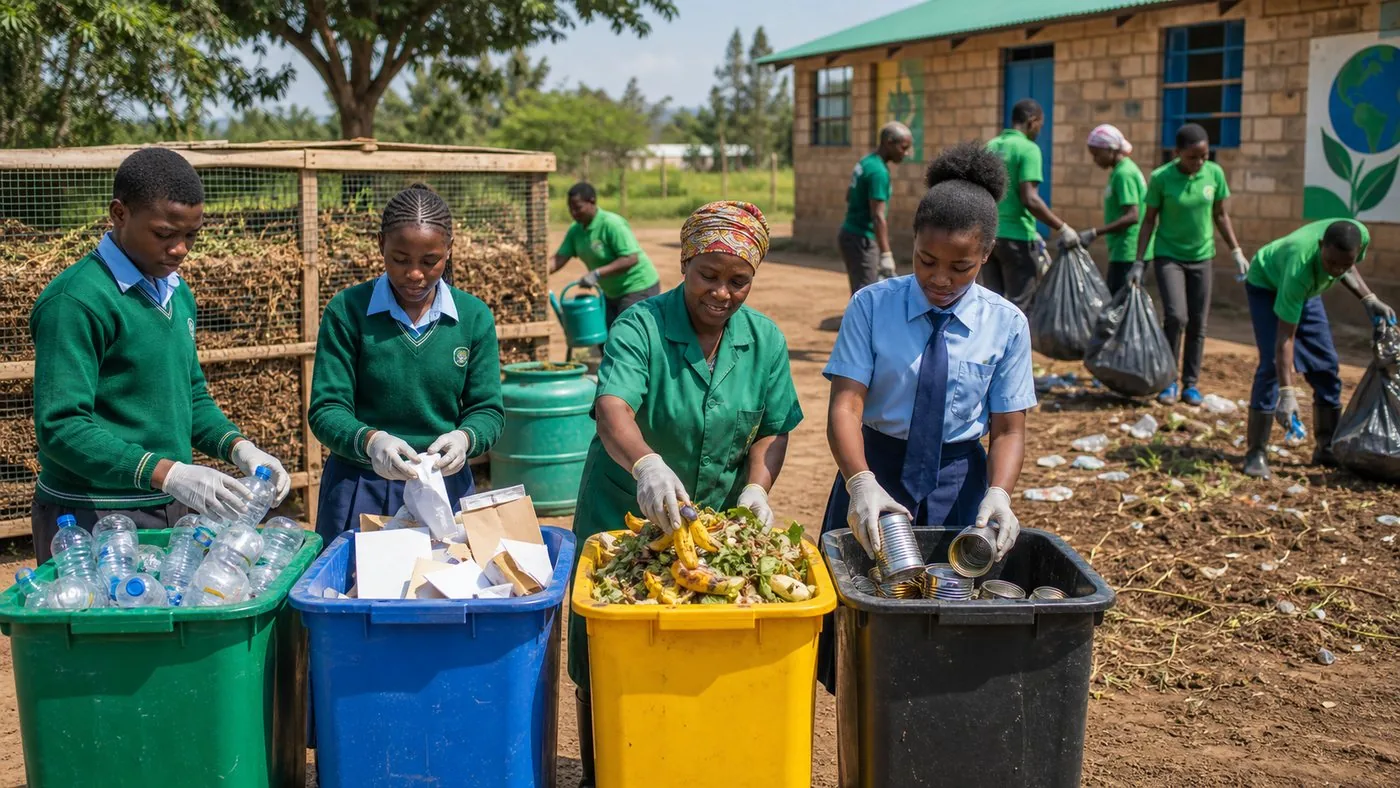
Community cleanups, waste sorting, recycling awareness, school campaigns, and circular-economy initiatives that reduce pollution.
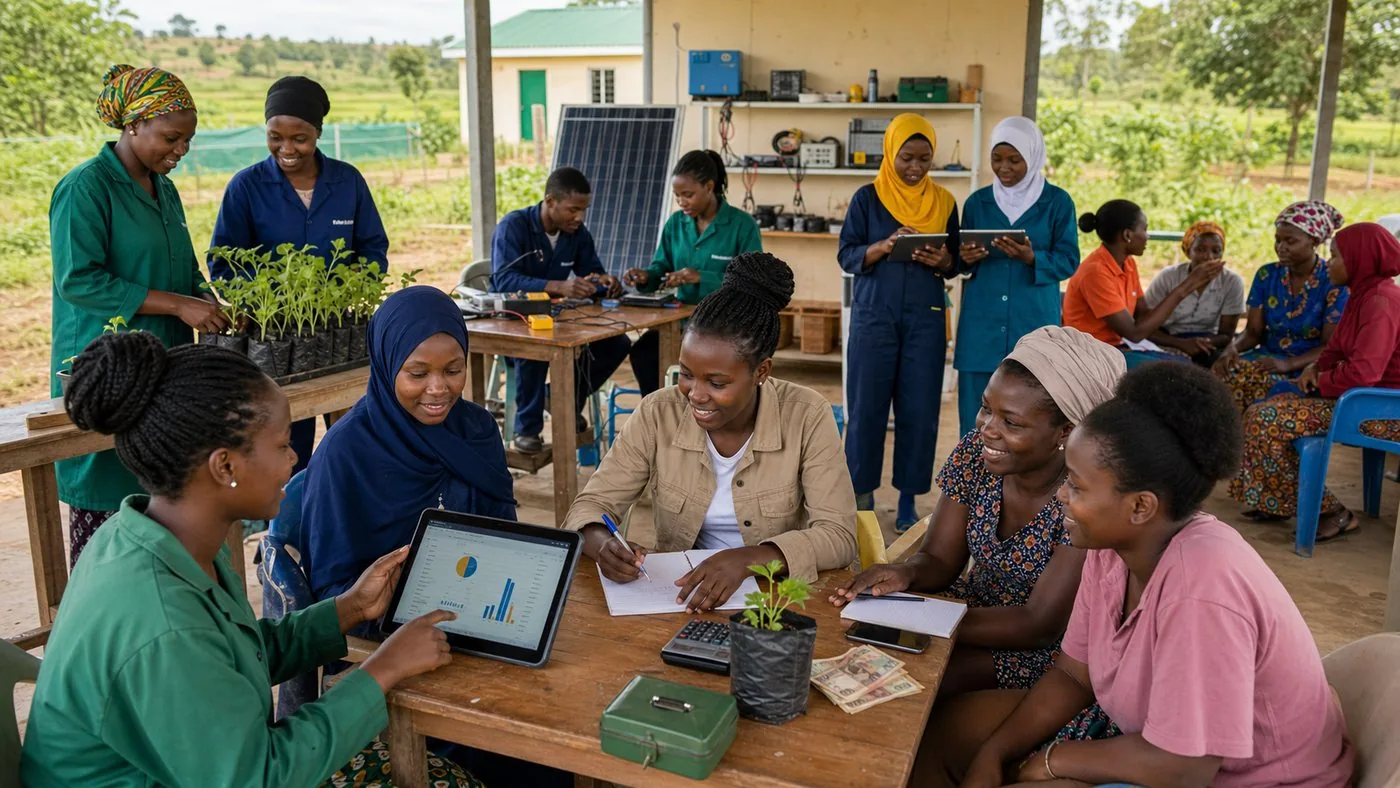
Gender-responsive training models that help women, girls, youth, and vulnerable households access skills, leadership, finance, and green livelihoods.
Hub 05
Owns fish-production and integrated aquatic-food projects, including water quality, feeding, health, harvest, preservation, and blue-food markets.
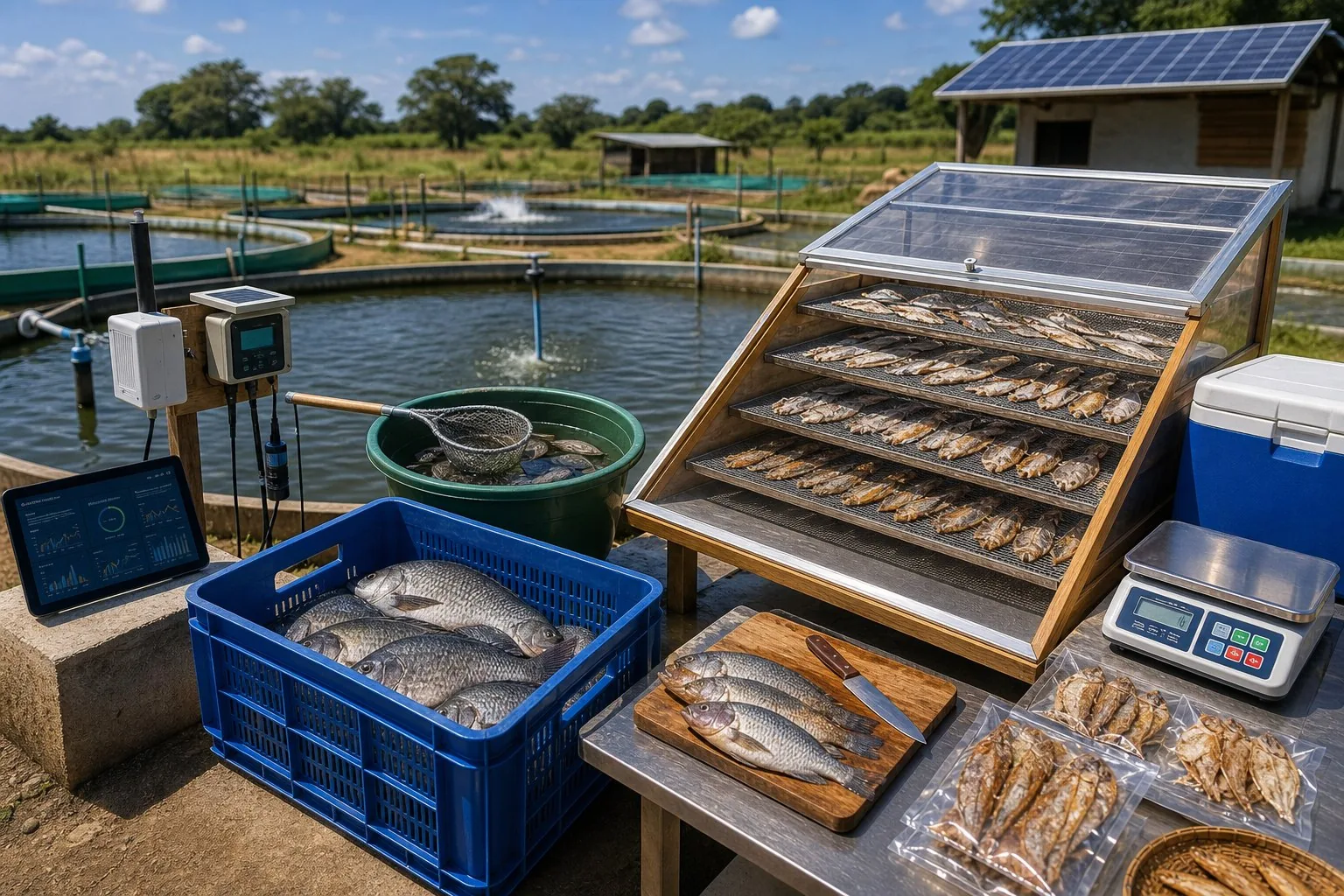
A blue-food intelligence prototype for ponds, cages, and raised tanks that connects water telemetry with harvest records, fish value addition, preservation, digital product passports, market matching, and sustainability reporting.
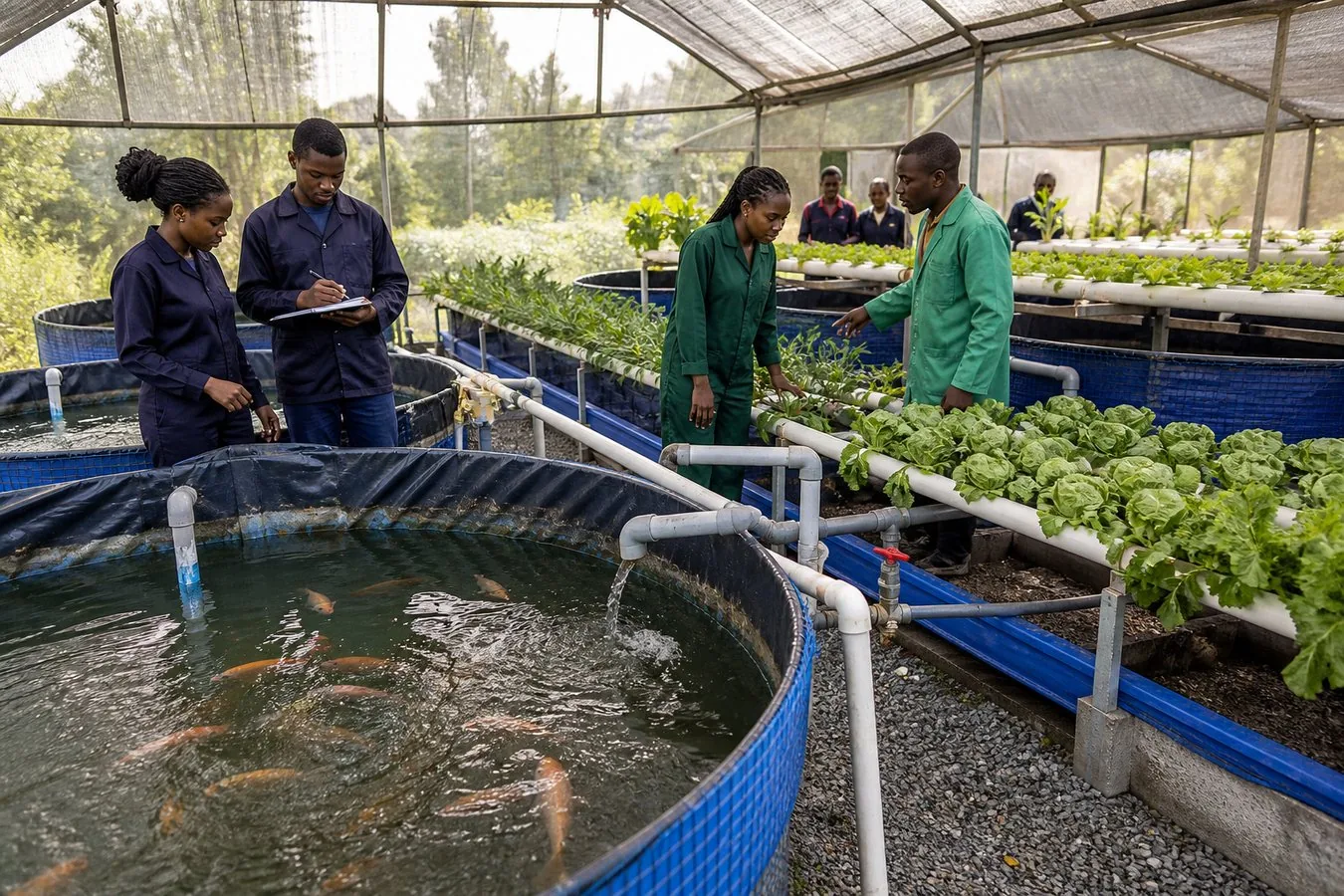
Integrated fish and vegetable production systems that use land and water efficiently while supporting youth and women-led enterprises.